
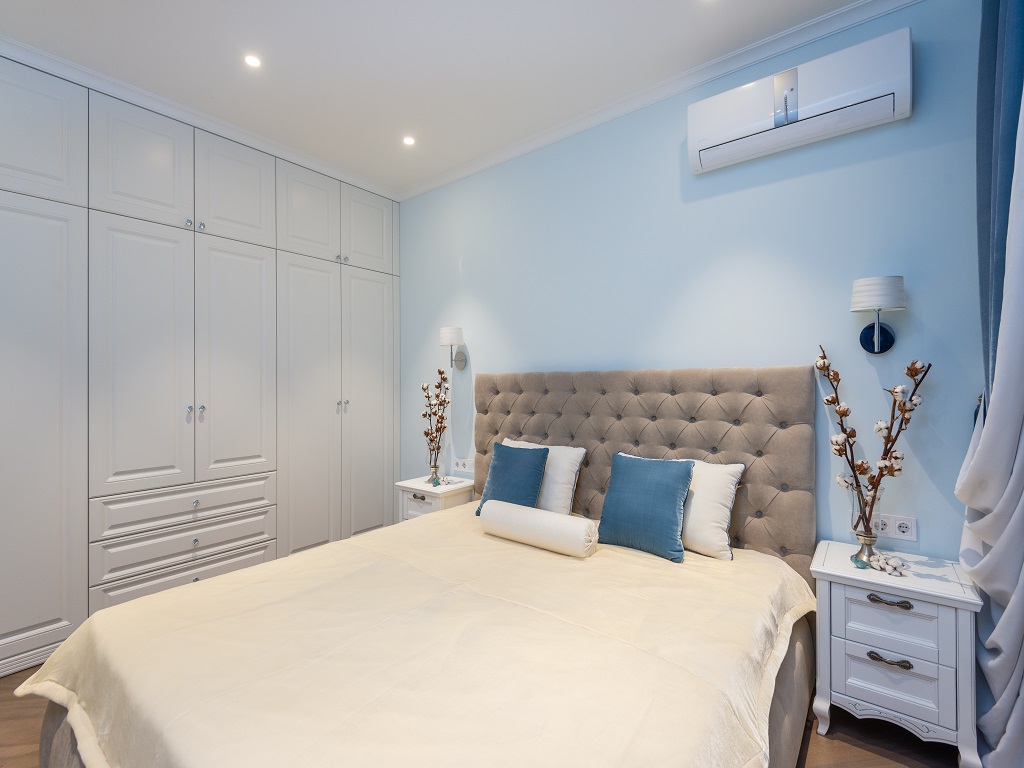

There’s nothing better than arriving home and enjoying the cool air from your HVAC system. However, if you’re not careful, that cool air could come at a huge cost. Regular maintenance helps you avoid expensive repairs and saves you money on utility bills as well. If you’re ready to start doing HVAC maintenance, here are some of the dos and don’ts to help you along the way.
Get the Basics Right
Before you start looking for problems with your HVAC system, make sure the basics are in order. Your home’s air filters should be changed regularly. You should also check the outside unit at this time of year to make sure there isn’t any debris that would impede airflow or prevent proper drainage if it rains.
Regularly Check Your Filters Monthly
If you have a window AC unit, wash the filter with warm water and a mild detergent every few months. If you have an electric furnace with a filter, open the filter compartment and make sure it’s not completely clogged with dust; if it is, replace it. If you forgot when the filter was last changed, change it now — they’re cheap enough to be worth changing regularly.
Do Schedule an Annual Checkup
Your HVAC works extremely hard during the summer and winter months to keep you comfortable, so it’s important to give it some love before it goes into full-time use. An annual inspection will make sure your system is ready to go when the temperature rises.
Don’t Try to Repair a Unit on Your Own
While there are some simple do-it-yourself tasks that can be performed on your HVAC system, most repairs should be left to professional technicians. A licensed technician will have the necessary training and expertise to identify potential problems before they grow into larger ones.
Don’t Ignore Strange Noises
If you hear strange noises emerging from your HVAC system, don’t ignore them. Strange noises are often the result of small issues that can grow into large and costly problems if left untreated. Instead, contact a professional to come to check on your system as soon as possible.
Be Aware of Leaks
Regularly check the drip pans under your unit for signs of water or pooling water that could mean a leak is developing in your coils or other components. If you don’t see any proof of leaks, but there is excess humidity inside your house, consider checking for leaks once a month by sprinkling some flour on the floor around the unit after it has been switched off for a time.